
Road Risk Alert: Distraction up 8% and speeding spikes 56% on the Fourth of July
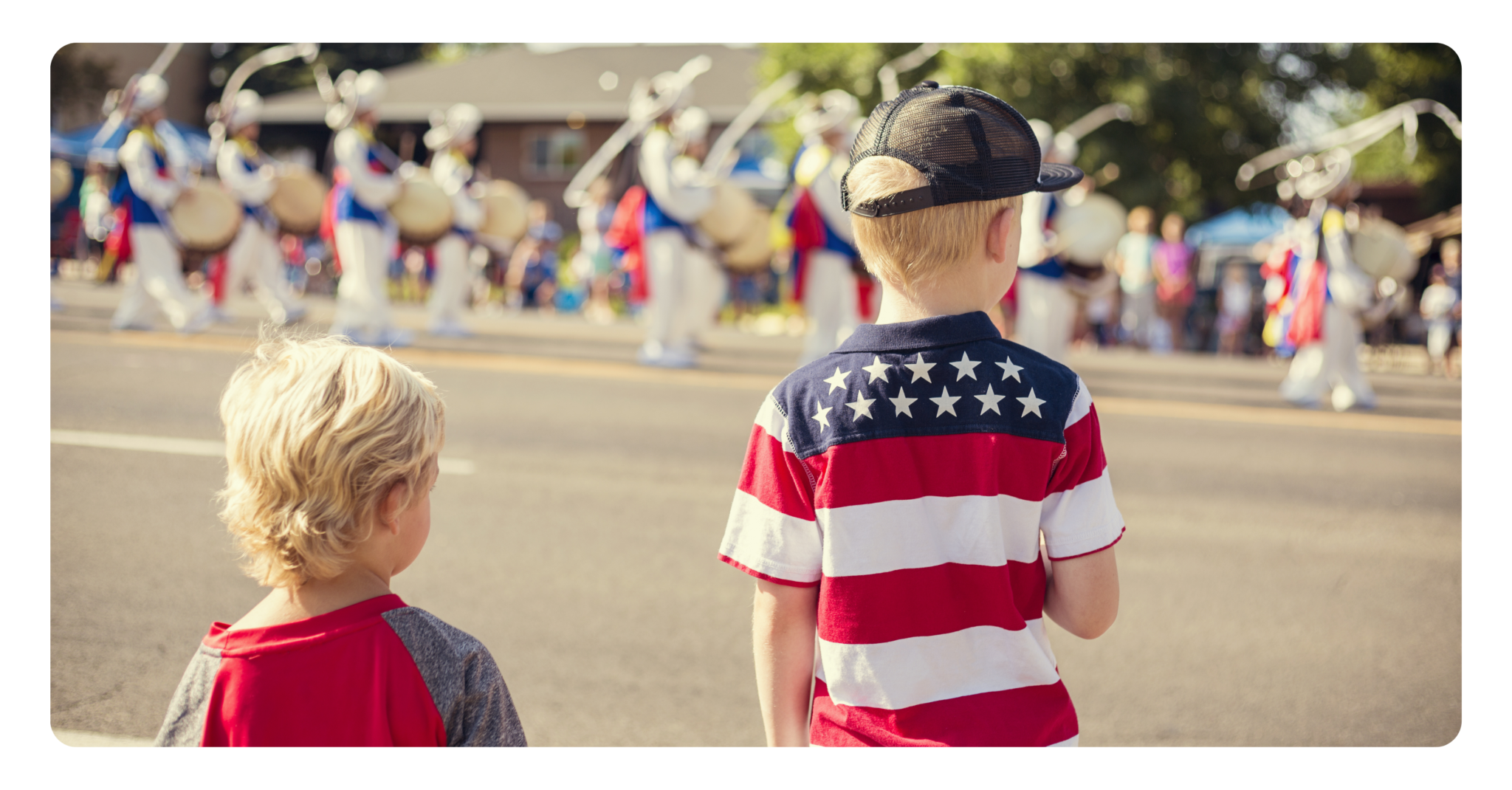
As America prepares to commemorate its 250th birthday, millions of drivers will take to the road for Independence Day celebrations. From small-town parades to large-scale America250 events, communities across the country will come together for the nation’s milestone anniversary.
But as Americans gather to celebrate, road risk rises alongside the festivities. According to NHTSA’s Fatality Analysis Reporting System (FARS), July 4th averages 28% more fatal crashes than typical days in the surrounding weeks of June and July. Speeding-related fatalities are 29% higher.
To understand how risky driving behaviors shift on Independence Day, CMT analyzed phone screen interaction, speeding, and high-speed distraction from 2023 through 2025. The analysis compares each hour of July 4th to similar days in late June and early July.
Both distraction and speeding are elevated throughout the day, with the afternoon being the holiday’s highest-risk travel period.
CMT defines screen interaction as tapping on a phone while driving above 9 mph, and speeding as driving 9.3 mph over the speed limit for at least 300 feet.
Distraction is up 5.3% overall on July 4th, rising from 1 minute and 46 seconds per driving hour to 1 minute and 51 seconds. The increase begins in the morning and remains elevated throughout the afternoon as drivers head to beaches, barbecues, and other holiday destinations.
From 8:00 a.m. to 12:00 p.m., distraction is 7.9% higher than usual, climbing from 1 minute and 44 seconds to 1 minute and 52 seconds per driving hour. The surge continues into the afternoon, when holiday travel is in full swing. Between 1:00 p.m. and 4:00 p.m., screen interaction rises 7.7%, from 1 minute and 48 seconds to 1 minute and 57 seconds per driving hour.
The peak increase occurs at 5:00 p.m., when distraction is 10.2% above typical levels. The rise in distraction tapers in the evening, falling below typical levels after 8:00 p.m.
Speeding is significantly higher on July 4th, building steadily throughout the day. Overall, drivers spend 23.8% more time speeding than they do on similar summer days, increasing from 2 minutes and 17 seconds to 2 minutes and 49 seconds per driving hour.
Like distraction, the increase begins early. Between 8:00 a.m. and noon, drivers spend 51% more time speeding, averaging 2 minutes and 33 seconds per driving hour compared to 1 minute and 42 seconds.
Speeding becomes even more pronounced during the afternoon travel period. From 1:00 p.m. to 5:00 p.m., drivers spend 56% more time speeding than usual, with the sharpest increase happening at 4:00 p.m., when speeding spikes by 63%.
Elevated speeding and distraction create an additional risk: high-speed distraction. During the late morning and early evening on July 4th, distraction while driving above 50 mph spikes.
From 10:00 a.m. to 1:00 p.m., high-speed distraction is 13% above average. Noon marks the peak, with 10.03% of trips involving high-speed distraction compared to 8.59% on comparable days—a 16.8% increase.
The elevated risk eases during the afternoon before climbing again in the early evening. Between 6:00 p.m. and 7:00 p.m., high-speed distraction is 11.7% above average as drivers head home, travel to gatherings, or make their way to fireworks displays to cap off the evening.
Celebrate America’s 250th birthday safely this July 4th
Drivers face elevated risk throughout July 4th, with speeding and distraction both rising above typical summer-day levels and overlapping during the busiest travel periods.
As America celebrates its 250th anniversary this Independence Day, stay alert and plan ahead to help make the holiday safer for everyone.