
Road Risk Alert: Distraction rises 7.1% when trick-or-treating begins on Halloween
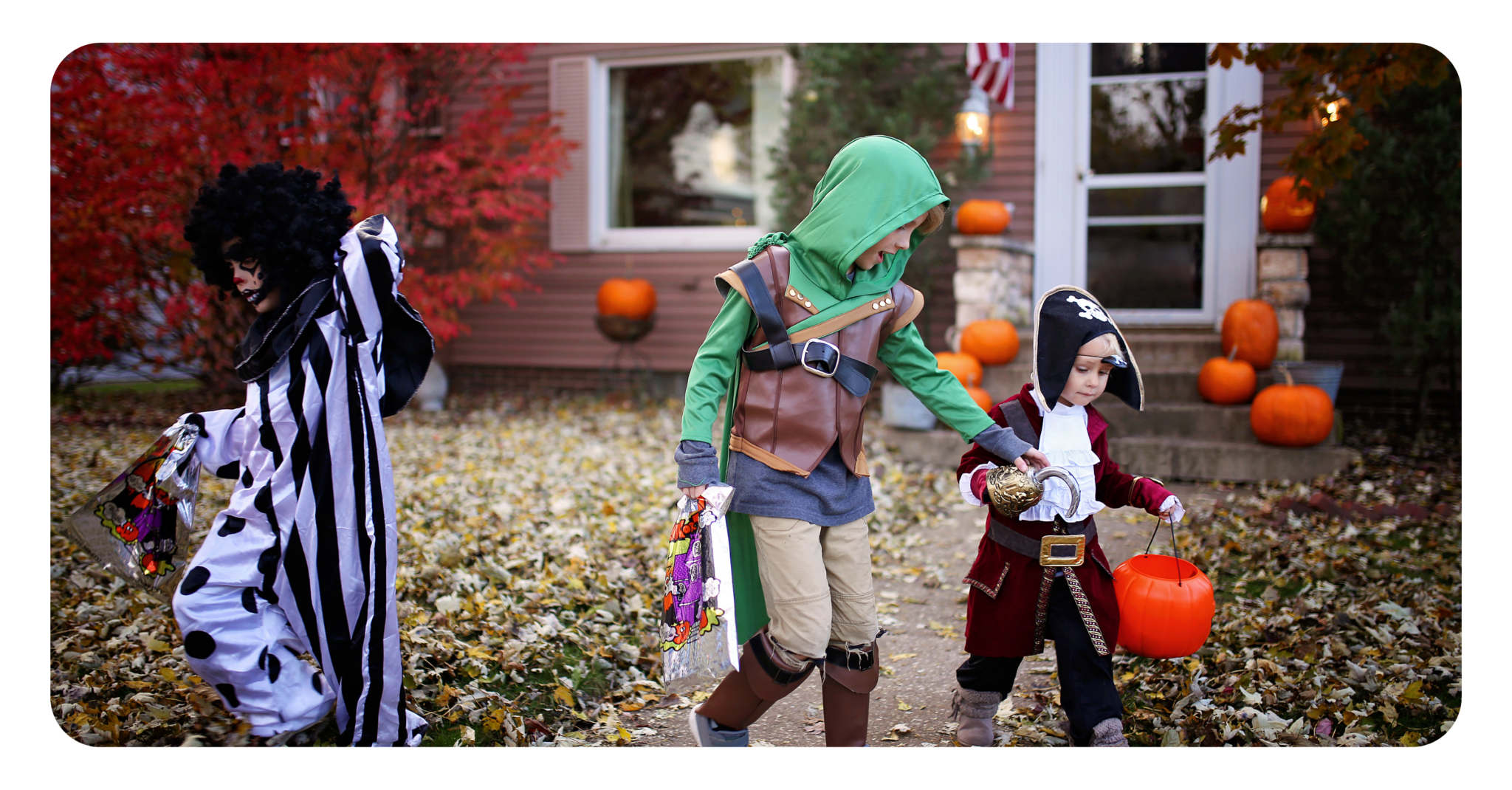
It’s the spookiest night of the year. And for pedestrians, Halloween is also one of the riskiest. According to a study from JAMA Pediatrics, Halloween night sees 43% more pedestrian fatalities compared to evenings before and after the holiday. Darkness adds to the risk. According to NHTSA, 76% of pedestrian fatalities in 2024 occurred after dark.
CMT.AI’s latest analysis looked at 48 million trips from 2021 through 2025, comparing driving behaviors on Halloween to the same weekdays one and two weeks before and after the holiday. The findings show that at 5:00 p.m., as many trick-or-treaters take to neighborhood streets, distraction rises 7.1%, hard braking jumps 8.1%, and speeding spikes 19%.
With Halloween falling on a Saturday this year, we also compared distraction rates on October Saturdays with weekdays. Distraction is 8% higher in the afternoon and early evening on Saturdays, adding another layer of risk to walking and driving on Halloween.
Across Halloween, distraction is 3.9% higher than on similar days in surrounding weeks, rising from 1 minute and 44 seconds to 1 minute and 48 seconds per driving hour. Distraction is close to typical levels through much of the morning and afternoon, up 2.2% from 8:00 a.m. to 5:00 p.m.
That changes as trick-or-treating begins. At 5:00 p.m., distraction rises 7.1%, from 1 minute and 50 seconds to 1 minute and 57 seconds per driving hour. Across the peak trick-or-treating window from 5:00 to 8:00 p.m., distraction is 5.9% higher.
Drivers are spending more time interacting with their phones during the same hours that families are walking from house to house and crossing neighborhood streets.
Distraction climbs further into the night as trick-or-treating gives way to Halloween parties and other gatherings. From 8:00 p.m. to midnight, distraction rises 8.2%. The largest increase, 9.9%, comes at 10:00 p.m., when distraction climbs from 2 minutes to 2 minutes and 12 seconds per driving hour.
Drivers also stop short more often on Halloween, reflected in higher hard braking rates. Hard braking is a telltale response to risky behaviors like distracted driving or speeding. Drivers who hard brake most often are 1.7x more likely to crash.
Hard braking increases 4.5% across the day. The rise is larger in the afternoon, reaching 10.1% from 3:00 to 6:00 p.m. At 5:00 p.m., as distraction surges and many trick-or-treaters head out, hard braking rises 8.1%.
Speeding spikes during that hour too. Although speeding is 3.5% lower across Halloween overall, it rises 19% at 5:00 p.m., from 1 minute and 24 seconds to 1 minute and 40 seconds per driving hour, making it the riskiest time of the day.
Hard braking returns to typical levels from 6:00 to 8:00 p.m., then climbs again later in the evening. From 8:00 p.m. to midnight, it’s up 10%. Its largest increase, 13.8%, comes at 10:00 p.m. This is the same hour when distraction is most elevated.
With Halloween falling on a Saturday this year, we also compared distraction rates on Saturdays in October with weekdays in October. On Saturdays, distraction is 8% higher from noon to 7:00 p.m., rising from 1 minute and 48 seconds to 1 minute and 57 seconds per driving hour. Trick-or-treating times vary by community, and some families may head out earlier on a weekend.
During traditional trick-or-treating hours, from 5:00 to 8:00 p.m., distraction is 6.3% higher on Saturdays in October than on weekdays. Elevated distraction rates throughout the afternoon and early evening reinforce the need for drivers and pedestrians to stay alert throughout Halloween.
Methodology: CMT.AI defines distraction as tapping on a phone while driving above 9 mph and speeding as driving at least 9.3 mph over the posted speed limit for at least 300 feet. Hard braking is braking sharply for at least 0.6 seconds, reducing the vehicle’s speed by more than 12.4 mph. References to individual times, such as 5:00 p.m., represent the full hour beginning at that time.